


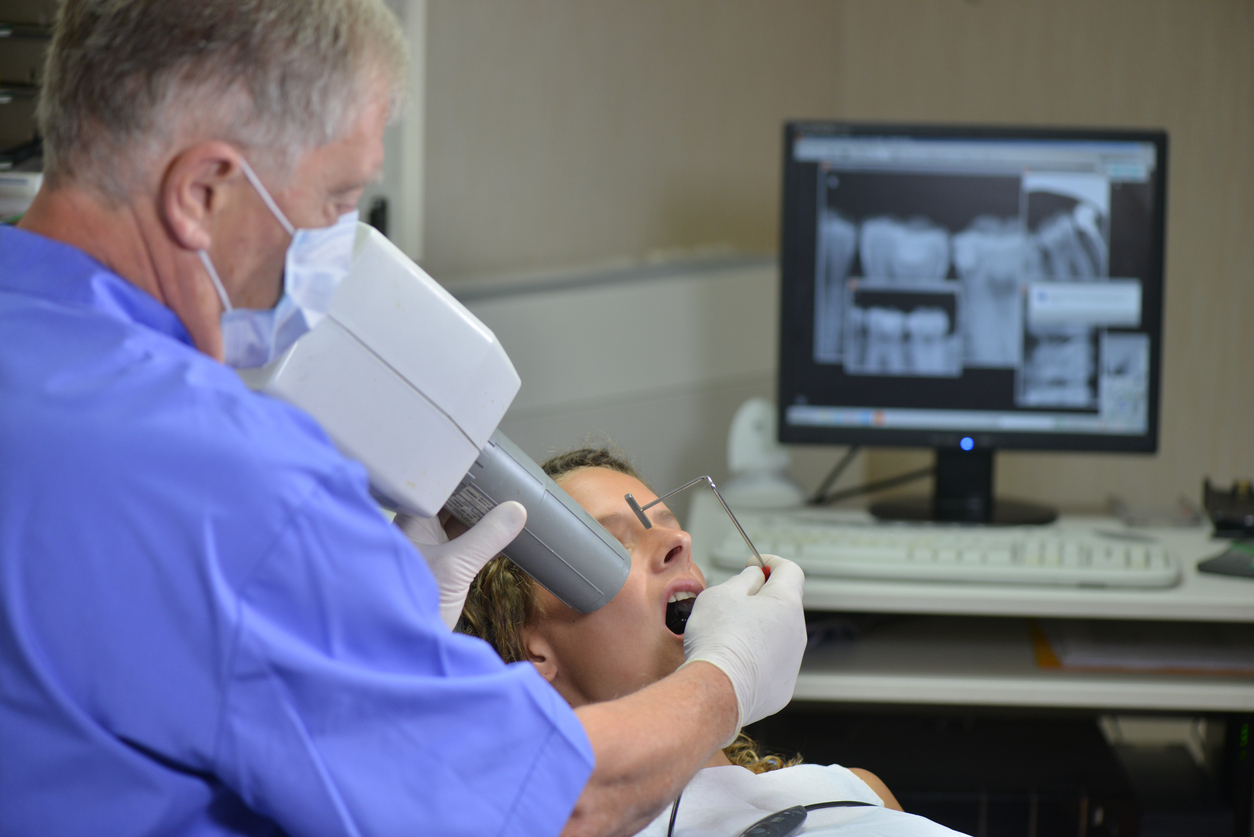
If you’re currently working as a dental assistant and wondering whether you could one day become a licensed dentist — you’re not alone. Many dental assistants dream of advancing their careers and stepping into the dentist’s chair. The good news? It’s entirely possible. The journey involves education, training, and a serious commitment, but with determination, it can be done.
Let’s explore how a dental assistant can successfully transition into a dental profession.
Understanding the Role of a Dental Assistant
Before diving into the path toward becoming a dentist, let’s first understand what dental assistants do.
Dental assistants are essential to the smooth operation of any dental office. They support dentists during procedures, prepare patients, sterilize instruments, manage records, and handle various administrative duties. In many ways, dental assistants are the backbone of dental practices.
Working as a dental assistant gives you firsthand experience in the field — from patient care to observing a wide range of dental procedures. This exposure provides a solid foundation if you’re considering becoming a dentist. However, making that leap requires additional education and training.
The Path from Dental Assistant to Dentist
As a dental assistant, you’re already ahead of the curve when it comes to clinical exposure and understanding the dental environment. Here’s a step-by-step guide to making the transition:
1. Complete a Bachelor’s Degree (or Equivalent)
To apply to dental school, you’ll need an undergraduate degree. While there’s no required major, most applicants choose science-related fields like biology, chemistry, or pre-dentistry. These programs cover essential prerequisites like biology, chemistry, physics, and anatomy.
If you’ve already completed a dental assisting program, you may have credits that count toward your degree — but you’ll likely need to take additional coursework to meet dental school requirements.
2. Take the Dental Admission Test (DAT)
Once your coursework is complete, you’ll need to take the DAT. This standardized test evaluates your knowledge in natural sciences, reading comprehension, perceptual ability, and quantitative reasoning. DAT scores play a major role in dental school admissions, so preparation is key.
3. Attend Dental School
Dental school typically takes four years and includes classroom learning and hands-on clinical training. You’ll study subjects like oral anatomy, pathology, radiology, dental materials, and surgical techniques.
As a former assistant, you’ll bring valuable insight to clinical training — already familiar with procedures, tools, and patient care dynamics.
4. Complete a Residency (Optional)
If you choose to specialize — say, in orthodontics, periodontics, or oral surgery — you’ll need to complete a residency that can last two to six years. If you’re aiming to become a general dentist, a residency is usually not required.
5. Obtain Licensure
Finally, to legally practice dentistry, you’ll need to pass both written and clinical exams specific to your state. Once licensed, you can begin practicing independently or join an established clinic.
Why Dental Assistants Have an Edge
Here are a few advantages you already have:
-
Hands-On Experience: You’re familiar with tools, procedures, and how a dental office runs.
-
Patient Interaction: You’ve developed communication and care skills that are crucial for dentists.
-
Practice Insight: Understanding the workflow and operations gives you a head start in managing or owning a practice.
Challenges to Be Aware Of
While rewarding, the road to becoming a dentist comes with challenges:
-
Time Commitment: The journey may take 6–10 years depending on your current education and specialty goals.
-
Financial Investment: Dental school can be costly, and student loans are common.
-
Academic Pressure: Dental programs are competitive and rigorous, requiring strong academic performance.
Final Thoughts
Transitioning from dental assistant to dentist is a bold move — but absolutely possible. With the right mindset, academic planning, and dedication, you can make it happen. Your background gives you a valuable edge, especially when it comes to patient care and real-world dental experience.
Whether you stay in your current role or pursue a career as a dentist, the opportunities in dentistry are vast for those willing to put in the effort.