

If you’re exploring a career as a dental assistant in Florida, you may be wondering: Do I need to go to school, or can I be trained on the job?
Good news—yes, on-the-job training is allowed in Florida. However, there are important rules and certifications that every dental assistant must follow to work legally and safely.
Let’s break down how it works, what’s required, and how to get started.
What Does a Dental Assistant Do?
Dental assistants support dentists by handling both clinical and administrative duties. Their daily tasks often include:
-
Assisting the dentist during procedures
-
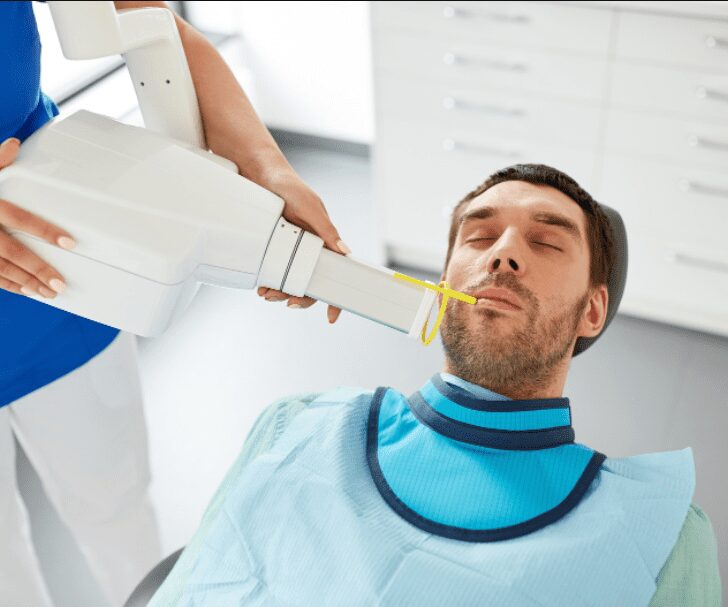
Taking and developing X-rays
-
Sterilizing instruments and cleaning treatment areas
-
Educating and preparing patients
-
Managing schedules, patient records, and more
While many students complete formal training programs, others start their careers by learning on the job under a dentist’s supervision.
Can You Be Trained on the Job in Florida?
Yes, Florida allows dental assistants to receive on-the-job training in a licensed dental office. However, this route still includes specific steps:
1. Learn While You Work
You can gain practical experience under the direct supervision of a licensed dentist. This hands-on training teaches you essential skills while you earn a paycheck.
2. Get Certified in Radiology
If you plan to take dental X-rays, Florida law requires you to complete a state-approved radiology course. This course can be done in the office, as long as it’s supervised properly. Once completed, you’ll be certified to legally take X-rays.
3. Earn Your EFDA Certification
To perform advanced duties—like placing sealants or taking impressions—you’ll need to become an Expanded Functions Dental Assistant (EFDA). This requires completing a state-approved course and passing a written exam.
4. Register With the Florida Department of Health
Even without formal education, all dental assistants must register with the state. Registration ensures you’ve completed the necessary training to legally perform your duties, such as X-rays and expanded functions.
5. Work Under Supervision
Any advanced or technical procedures must be done under the direct supervision of a licensed dentist. This ensures you’re gaining experience safely and within legal limits.
Benefits of On-the-Job Training
Starting your career through on-the-job training has several advantages:
-
Hands-on learning from day one
-
Earn while you learn, making it budget-friendly
-
Faster entry into the workforce
-
Personalized pace, based on how quickly you learn
-
Real-world experience, which employers value highly
Important Things to Remember
Although on-the-job training is legal in Florida, there are a few things you must do to stay compliant:
-
Complete a state-approved radiology certification
-
Earn your EFDA certification if performing expanded duties
-
Ensure you’re always registered with the Florida Department of Health
-
Work under appropriate supervision
These requirements protect both you and the patients you’ll serve.
Final Thoughts
On-the-job training can be a smart and affordable way to become a dental assistant in Florida. It allows you to gain experience, build your skills, and get paid—all at the same time.
However, certifications and proper registration are still essential. If you take the time to meet these requirements, you’ll set yourself up for a successful, rewarding career in dental assisting.
Whether you train on the job or attend a formal program, dental assisting offers strong job prospects and plenty of room to grow. If you’re ready to start, Florida is a great place to begin.