

Are you interested in starting a career as a dental assistant in Florida? Dental assistants play a vital role in supporting dental teams, providing patient care, and handling essential administrative tasks. Whether you’re looking for a stable job or a chance to help others improve their oral health, dental assisting offers a rewarding and in-demand career path.
Here’s a clear, step-by-step guide to help you get started.
Step 1: Understand What a Dental Assistant Does
Dental assistants support both dentists and patients through a wide range of responsibilities, including:
-
Assisting during dental procedures
-
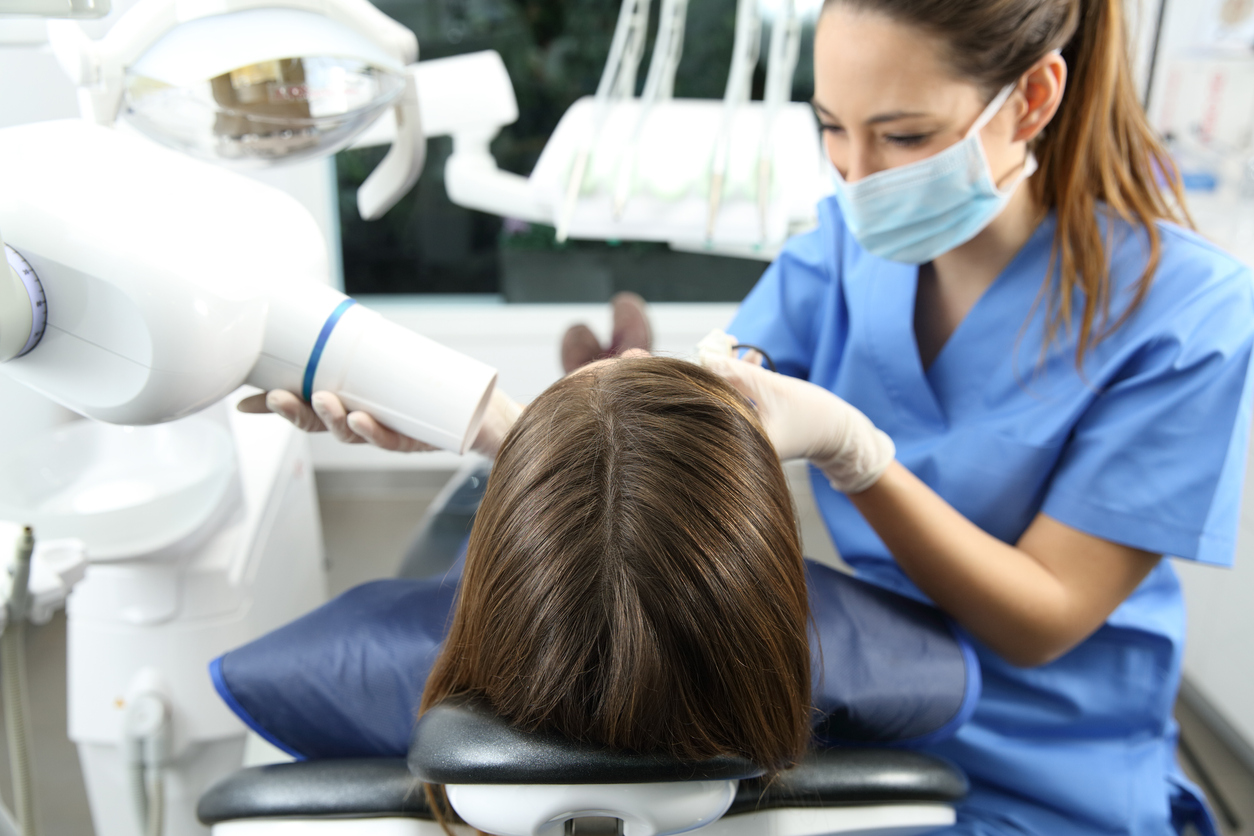
Taking and processing X-rays
-
Sterilizing instruments and treatment areas
-
Educating patients about oral hygiene
-
Managing scheduling and patient records
Your exact duties may vary depending on the dental office, but these are the core tasks most assistants perform.
Step 2: Meet the Basic Educational Requirements
To pursue this career in Florida, you’ll need a high school diploma or GED. While high school courses in biology or chemistry aren’t mandatory, they can provide a helpful foundation. Basic knowledge of health sciences and communication skills will also benefit you as you advance.
Step 3: Choose a Dental Assisting Training Path
Florida offers two recognized training pathways. You can either:
-
Enroll in a CODA-accredited program, or
-
Attend a Florida Board of Dentistry-approved program
Both paths can lead to a successful dental assisting career.
Option 1: CODA-Accredited Programs
Programs accredited by the Commission on Dental Accreditation (CODA) meet high national standards and are often considered the gold standard in dental assistant training.
Offered through community colleges and vocational schools, these programs typically include coursework in:
-
Dental anatomy and terminology
-
Radiology (X-rays)
-
Infection control and safety
-
Patient care and communication
-
Office management and administration
Most CODA-accredited certificate programs take 9–12 months, while associate degree programs take about two years. Graduates are prepared to take certification exams and enter the workforce with a strong foundation.
Option 2: Florida Board-Approved Programs
These programs are approved by the Florida Board of Dentistry and may offer shorter or more flexible training. Though not CODA-accredited, they still meet state requirements and prepare you to work as a dental assistant.
Training usually covers:
-
Radiography
-
Chairside assisting
-
Infection control
-
Dental materials and tools
-
Patient interaction and office procedures
Graduates may also be eligible to take certification exams through the Dental Assisting National Board (DANB).
Step 4: Gain Clinical Experience
Most programs—CODA-accredited or board-approved—include a clinical training component. This gives you hands-on experience working with real patients in a supervised dental setting.
Clinical training helps you apply what you’ve learned and prepares you for day-to-day responsibilities in a dental office.
Step 5: Earn Certifications (Optional but Recommended)
While Florida doesn’t require certification for all dental assistants, it’s highly recommended. Certification can make you more competitive in the job market and expand your scope of duties.
Some key certifications include:
-
Certified Dental Assistant (CDA) – A nationally recognized credential from the DANB
-
Radiation Health and Safety (RHS) – Required for dental assistants who take X-rays
-
Certified Preventive Functions Dental Assistant (CPFDA) – Allows you to perform preventive tasks like fluoride application or coronal polishing
These credentials demonstrate your professionalism and skill to potential employers.
Step 6: Start Applying for Jobs
Once your training is complete, you’re ready to look for job openings. Dental assistants in Florida work in a variety of settings:
-
Private dental offices
-
Hospitals and outpatient clinics
-
Community health centers
-
Public health departments
To increase your chances of landing a job:
-
Network with dental professionals
-
Contact local dental offices directly
-
Use online job boards to explore opportunities
-
Highlight your training, certifications, and clinical experience in your application
Final Thoughts
Becoming a dental assistant in Florida is a smart move if you’re seeking a stable, fulfilling healthcare career. Whether you choose a CODA-accredited program or a state-approved alternative, both provide the education and experience needed to succeed.
With hands-on training, optional certifications, and job growth across the state, this is a career path full of opportunity.
Ready to begin? Explore Florida-approved dental assistant programs and take your first step toward a rewarding future in dental healthcare.