


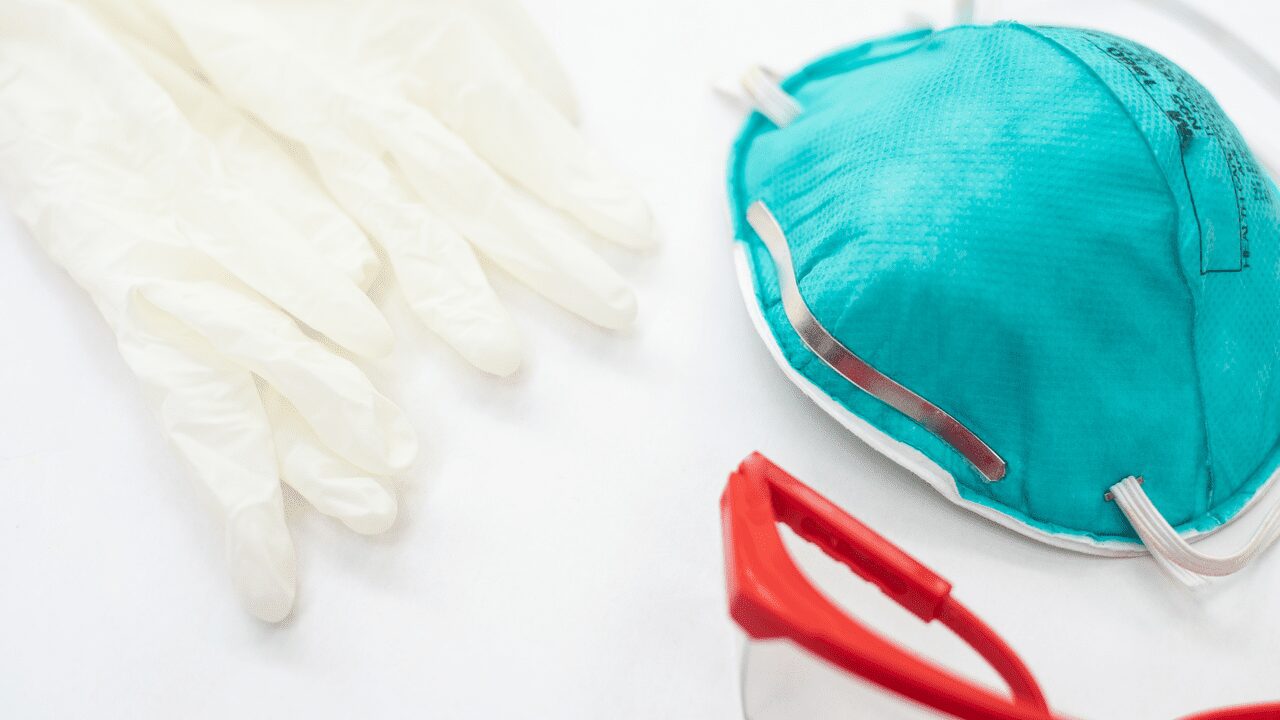
Infection control in dentistry involves far more than personal protective equipment (PPE). While PPE plays an important role in dental safety, it is actually the final line of defense against infectious disease in the dental office.
What both perspectives often overlook is this critical truth: PPE is the last control, not the first. True safety in dentistry comes from layered infection control strategies that work together to reduce risk long before PPE is needed.
PPE Is the Last Line of Defense
PPE includes gloves, masks, face shields, eyewear, gowns, and other protective clothing designed to prevent exposure to infectious materials. While commonly used in health-care settings, PPE is most effective only when combined with proper infection control protocols, including:
-
Thorough hand hygiene
-
Alcohol-based hand sanitizers
-
Consistent enforcement of safety policies
Relying solely on PPE creates a false sense of security. Instead, dental teams must review and reinforce protocols so PPE is only required if all other safeguards fail.
PPE should support—not replace—effective infection control in dentistry.
Understanding the Chain of Infection
To truly protect ourselves, we must understand how infections spread.
Bacteria vs. Viruses
Although bacteria and viruses are both microbes, they behave very differently. Viruses—such as the novel coronavirus—are smaller than bacteria, replicate rapidly using host cells, and are often harder to treat. Because they reproduce inside cells, viral infections pose unique challenges in health-care environments.
What Is the Chain of Infection?
The chain of infection describes the steps required for a pathogen to infect a new host:
-
An infectious agent (pathogen)
-
A reservoir where it lives
-
A portal of exit
-
A mode of transmission
-
A portal of entry
-
A susceptible host
This process can happen in seconds. The most effective way to prevent infection is to break the chain at any step through proper infection control measures.
First Defense: The Hierarchy of Controls in Dentistry
The fight against infection begins with the hierarchy of controls, which prioritizes prevention strategies over personal protection:
-
Eliminate contagious individuals or unsafe conditions
-
Replace unsafe practices with healthier policies
-
Redesign the workplace to improve safety
-
Provide safety and health resources
-
Encourage personal responsibility among team members
Following this hierarchy strengthens your practice’s defenses before PPE ever comes into play.
Unique Infection Risks in the Dental Office
Dentistry presents distinct challenges due to:
-
Close face-to-face interaction
-
Exposure to saliva, blood, and bodily fluids
-
Aerosol-generating procedures
Dental professionals must protect against:
-
Airborne transmission
-
Direct and indirect contact transmission
-
Surface contamination
Below are key protocols that help interrupt the chain of infection.
Infection Control Measures That Truly Protect Dental Teams
Screen Patients Before Appointments
Preventing pathogens from entering the practice is the most effective control measure. Screening patients with basic health and exposure questions should be standard practice—not just during pandemics.
Stay Home When Sick
Employees who feel unwell should not come to work. Staying home protects coworkers, patients, and the practice as a whole.
Practice Proper Hand Hygiene
Dental professionals must wash or disinfect their hands:
-
Before patient exams
-
Before procedures
-
After patient contact
-
After touching equipment or surfaces
Reduce Aerosol-Generating Procedures When Possible
Many dental procedures produce aerosols that remain airborne for extended periods. Procedures involving ultrasonic scalers, air polishing, air abrasion, and air-water syringes carry higher transmission risks.
When aerosols cannot be avoided, high-volume evacuation systems are critical for reducing exposure.
Use Preprocedural Mouth Rinses
Antimicrobial mouth rinses before treatment may reduce oral microbial load, limiting exposure during aerosol-producing procedures.
Utilize Rubber Dams
Rubber dams isolate teeth and significantly reduce the spread of saliva and bacteria during procedures, helping limit contamination.
Maintain Strict Cleaning and Disinfection Protocols
Regular surface disinfection should follow manufacturer guidelines. When appropriate, additional measures—such as air filtration or purification systems—can further reduce airborne bioaerosols.
Review Proper PPE Use
PPE is effective only when used correctly. Dental teams must strictly follow protocols for donning, doffing, and disposing of protective equipment whenever exposure to spray or spatter is possible.
Preventive Care Is the Best Protection
A common mindset in dentistry is, “Our protocols must be good enough—we haven’t had anyone get sick.” That attitude is dangerous.
Preventive care means acting before someone becomes ill—not after. COVID-19 reinforced that proactive infection control protects not only dental teams but entire communities.
Even as dentistry returns to “business as usual,” infection control protocols must be continually reviewed and improved. Dental offices have inherent risks that require ongoing vigilance, particularly regarding aerosolized pathogens.
COVID-19 is not the last infectious threat we will face. It is a reminder that knowledge only protects us when it is put into practice.
Final Thoughts: What Really Protects Us in Dentistry
What truly protects dental professionals is not PPE alone—it is a deep understanding of the chain of infection and a commitment to breaking it at every step.
Layered defenses, consistent protocols, and preventive thinking are what keep dental teams and patients safe—today and in the future.