


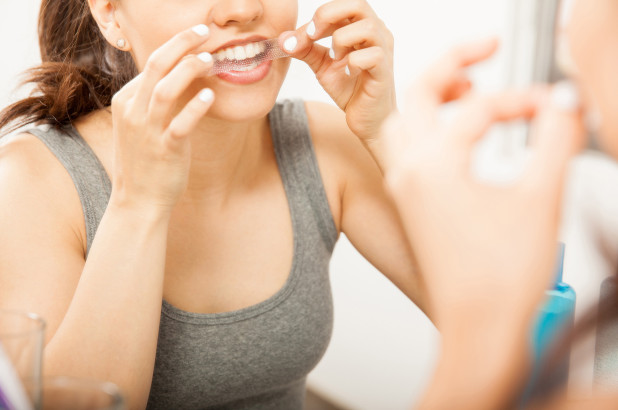
Pearly whites can come at a price.
The teeth whitening industry is booming, projected to reach $7.4 billion by 2024. In the U.S. alone, consumers spend over $1.4 billion annually on over-the-counter whitening products, according to the American Academy of Cosmetic Dentistry.
But recent preliminary research suggests that these whitening strips may do more than brighten your smile—they could also damage the deeper layers of your teeth.
What the Science Says About Whitening Strips
A study presented at the American Society for Biochemistry and Molecular Biology’s annual meeting examined how the hydrogen peroxide in whitening strips affects teeth below the enamel.
Our teeth have three main layers:
-
Enamel – the hard, outer white layer
-
Dentin – a protein-rich layer, mainly collagen
-
Pulp – the center, which houses nerves and blood vessels
Researchers found that hydrogen peroxide—the active ingredient in whitening strips—breaks down proteins like collagen in the dentin layer.
“Our results show that treatment with hydrogen peroxide concentrations similar to those found in whitening strips is enough to make the original collagen protein disappear,”
— Kelly Keenan, Associate Professor of Chemistry, Stockton University
The study used extracted human teeth, immersed in artificial saliva and treated according to product directions. Teeth exposed to whitening strips showed lower collagen levels, and those treated multiple times showed even more protein breakdown.
Important Caveats to the Study
This research is preliminary and not yet peer-reviewed. The study used cadaver teeth, which react differently than living teeth.
“Those teeth were probably dehydrated and had a different composition than the teeth that are in a living person,”
— Dr. Ana Castilla, Orthodontist
Still, it raises concerns and highlights the need for more research on commonly used dental products.
Are Whitening Strips Safe?
According to the American Dental Association (ADA), teeth-whitening products are generally safe when used correctly.
“Tooth whitening is the most commonly requested service in many dental offices … and we’re confident in saying that these products are safe and effective for all of the tissues of the tooth.”
— Dr. Edmond Hewlett, ADA spokesperson and UCLA School of Dentistry dean
However, side effects are common, including:
-
Tooth sensitivity (sometimes severe)
-
Gum irritation
-
Risk of aggravating cavities or gum disease
-
Damage from overuse (dehydration or enamel demineralization)
What Dentists Recommend
Most experts advise:
-
Professional whitening under supervision (cost: ~$650+)
-
Limiting use of at-home strips (not daily use)
-
Treating sensitivity with special toothpaste before and after whitening
-
Avoiding hot, cold, acidic foods during sensitivity episodes
“You can advise a patient who’s using it every day to try every other day… Once use of the whitening product is done, the teeth should return to normal.”
— Dr. Hewlett
What Whitening Strips Don’t Work On
At-home products like Crest 3D White Whitestrips ($54.99) or Walgreens Whitening Wraps ($13.99) may not work if:
-
You have veneers, crowns, bridges, implants, or bonding
-
Your teeth are gray or stained from tetracycline antibiotics or fluorosis
-
You haven’t had a recent dental cleaning
-
You don’t follow proper aftercare
Important: After whitening, enamel is temporarily more porous—meaning your teeth are more prone to staining. Avoid red wine, coffee, and smoking for at least two weeks, not just hours.
“You’re more likely to stain your teeth again right after whitening,”
— Dr. Castilla
Is Swallowing Whitening Gel Dangerous?
Yes. Swallowing the bleaching agent can cause:
-
Throat irritation
-
Nausea
-
Stomach or intestinal upset
“Some patients have problems with their stomach or intestines after ingesting this material for a long period of time.”
— Dr. Adam Scot Harwood, Endodontist
The Bottom Line
Whitening strips can be safe and effective, but only when used correctly and with caution.
Before using any whitening product:
-
Talk to your dentist about your dental history and risks
-
Look for the ADA Seal of Acceptance on products
-
Avoid daily use, and follow all product instructions
Professional treatments may cost more, but they come with fewer risks—and often better results.